An independent condition report helps you ask better questions about a used car. Its value depends on knowing both what was checked and what could not be seen.
Agree what you want to learn
Before arranging an inspection, decide what you need from the report. You might want an independent view of visible condition, a closer look at a particular concern or help understanding likely maintenance needs. Share the advert and available history with the inspector. Confirm that the seller permits the required access and that the location is suitable. The scope should be agreed before you pay for the visit.
Inspection services differ. Ask which systems will be considered, whether a road test is included and what happens if access is restricted. A condition inspection is not automatically a vehicle-history check, valuation or an MOT. Treat these as separate questions and make sure any additional service you need is explicitly included. A clear scope is the first useful piece of information.
A report is a record of observations
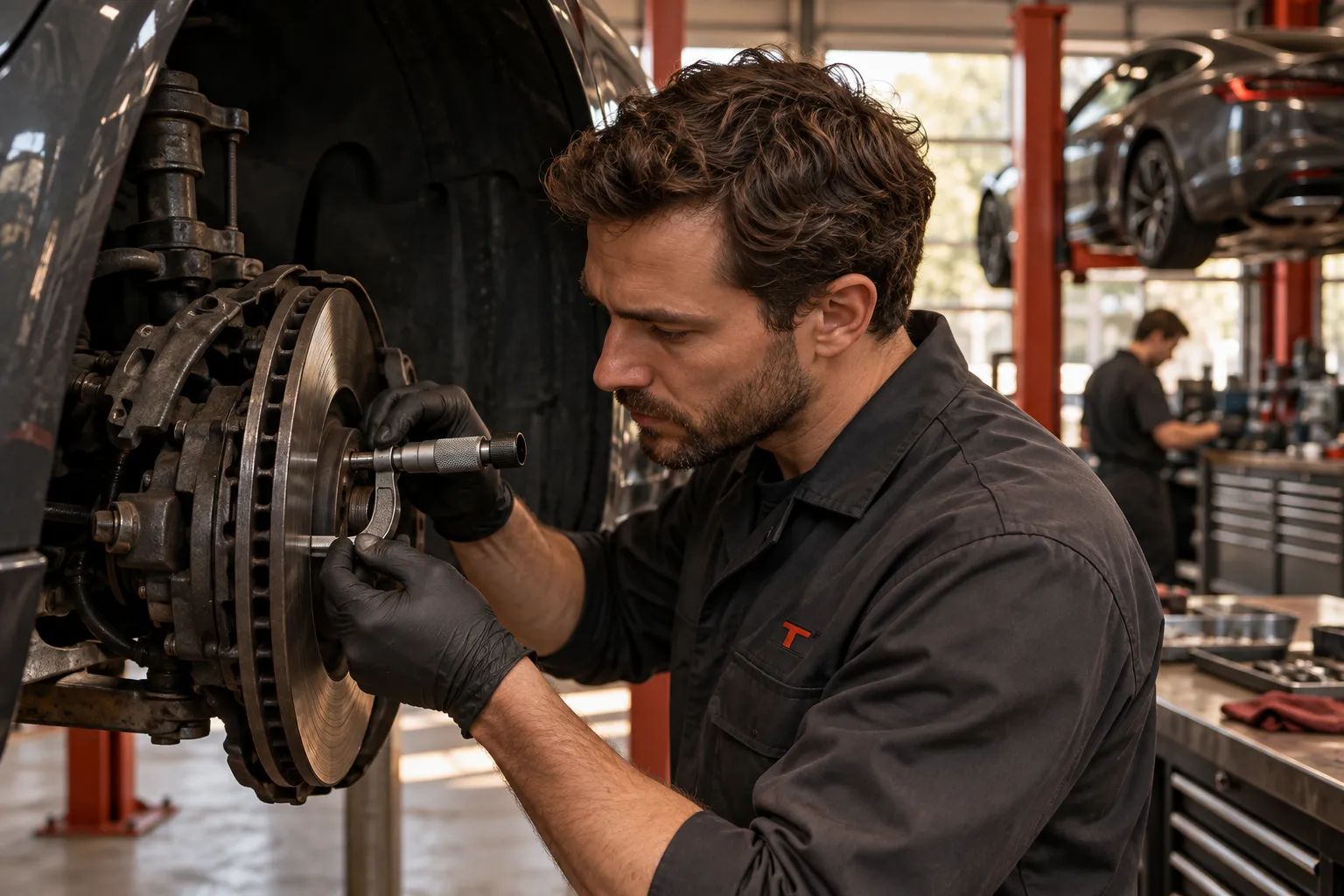
A useful report describes the condition of accessible items at the time of the visit. Photographs support the explanation, especially where a finding is difficult to picture. It should identify limitations as clearly as it identifies defects. If a component could not be seen without dismantling or an area was inaccessible, you should know. An unexamined item must not quietly become a clean bill of health.
Ask how findings are prioritised. A visible cosmetic mark, a maintenance item and a concern affecting safe use have different implications. The report should help you recognise those differences without forcing you to interpret an unexplained technical checklist. Where a finding needs further investigation, that recommendation should remain separate from a confirmed diagnosis.
Keep the history alongside the inspection
Service invoices and other records add context that a visual check cannot supply. They can show what work was recorded and when it was carried out. Review them carefully and ask about gaps or ambiguous descriptions. The inspector may be able to comment on the available paperwork, but you still need to establish the status of any separate history or identity checks you want before buying.
Compare the available information rather than expecting a single document to answer everything. A recent maintenance invoice can be useful without proving the current condition of every system. A tidy interior can be attractive without telling you how the car was maintained. The strength of the decision comes from several appropriate checks, each understood for what it actually covers.
Use the findings to ask specific questions
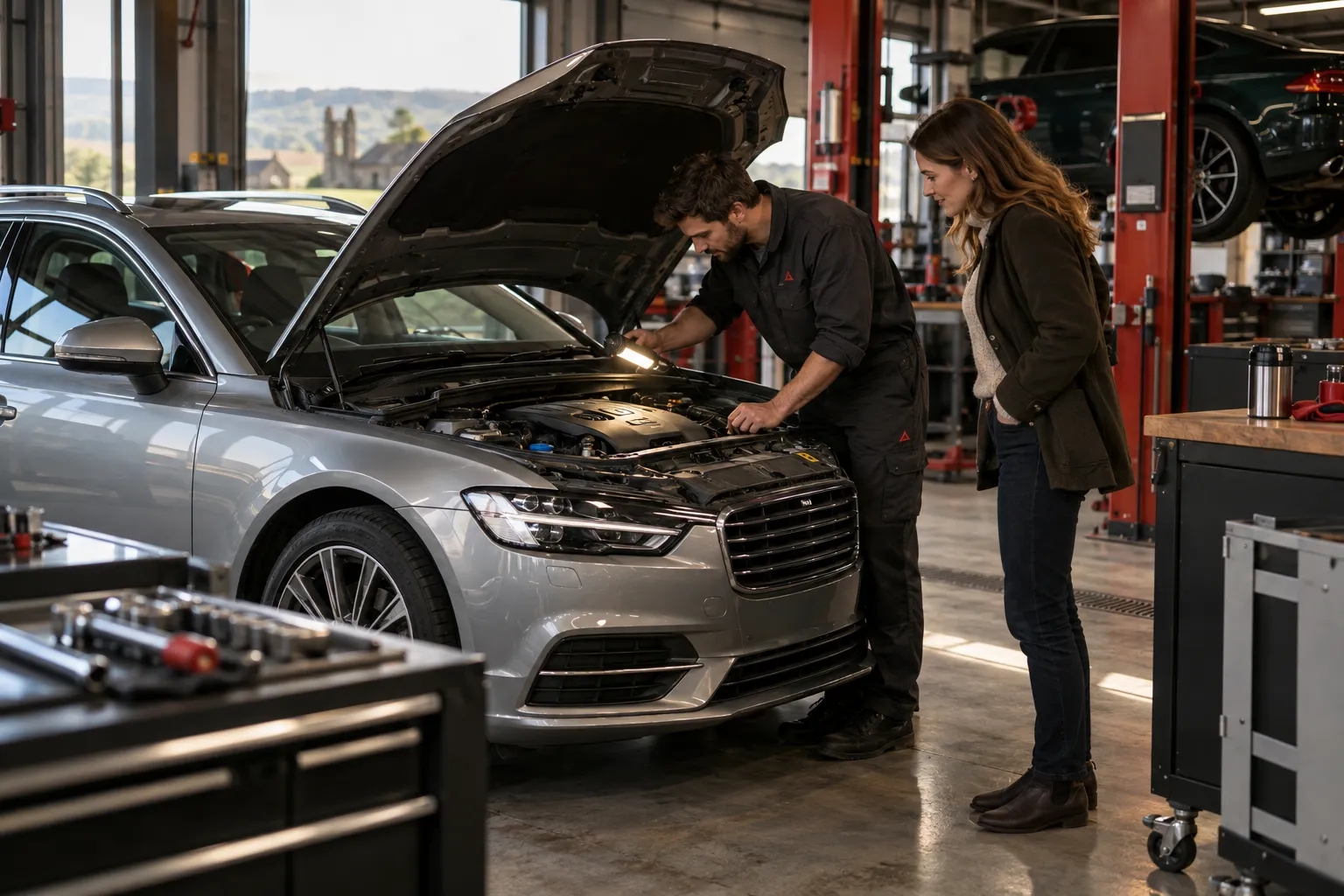
Once you have the report, ask the inspector to explain unfamiliar terms and which observations may affect your decision. If work is recommended, obtain an appropriate estimate rather than converting a brief note into a guessed cost. Some concerns need more access or testing before the scope can be priced. That uncertainty is relevant information when deciding whether to proceed with a purchase.
Questions for the seller become more useful when they refer to a recorded finding. Has the issue been investigated? Is there documentation for earlier work? Will further access be allowed? Keep the answers and any agreed actions in writing. The inspection should improve the conversation and your understanding, not create an impression that every future repair has already been predicted.
Know what remains your decision
No non-invasive inspection can guarantee that a used car will remain fault-free. Hidden defects and future failures may not be apparent during the visit. A report can provide valuable evidence without removing every uncertainty from ownership. Read the limitations before relying on the findings, and make sure you understand whether a particular concern was assessed, could not be assessed or requires another stage.
At TORREN, the fictional inspection proposition centres on a documented condition report and a clear explanation. The buyer remains responsible for deciding whether the vehicle suits their needs and budget. The useful outcome is a better-informed decision: fewer vague impressions, more specific observations and a practical understanding of the questions still to resolve before taking the keys.
Further reading & guidance
This guide offers general information. Follow your vehicle handbook and seek an assessment for concerns about your own car.
The AA: vehicle inspection checklist ↗The AA: vehicle inspections ↗